Board-ready financial metrics you can trust. Enterprise-wide. In hours, not months.
Sounds too good to be true?

Essential CRQ is based on the expertise, model and loss data from Munich Re, one of the world’s leading cyber reinsurers. By relying on this high-quality basis, we can dramatically reduce the number of inputs needed for a meaningful quantification of your organization’s cyber risk.

Essential CRQ focuses on company-level financial risk. It gives you clear numbers on the consequences of cyber incidents, including the ones you might not have thought of so far. The result is a set of numbers that brings clarity to business decisions ranging from security investments to insurance optimization.

The model behind Essential CRQ has informed Munich Re’s billion-dollar cyber underwriting business for many years. Not only does it have a track-record of excellence, but it also means that Munich Re has a tremendous amount of skin in the game when it comes to the quality of the model.
The methodology behind Essential CRQ was developed by Munich Re, the world’s largest cyber reinsurer, to price cyber risk across thousands of companies. After more than 4,500 company assessments, the same methodology now powers the Squalify platform and Essential CRQ.

Understand whether your current controls are delivering the risk reduction you expect. Essential CRQ gives you clear, comparable metrics that reveal how well your defenses match your exposure.
How much coverage do you need and what deductible is acceptable? Skip the guesstimates and get defensible, data-backed insights to help you make confident insurance decisions.
Cyber insurance is not a one-size-fits-all product. Essential CRQ allows you to integrate fast and reliable risk quantification into your process, so that you can advise your clients with even higher precision.




How bad could your worst cyber day get? Are you over- or under-defending? What’s the real cost of incidents, and what’s hitting your wallet hardest? These are the kinds of questions Essential CRQ helps you answer.
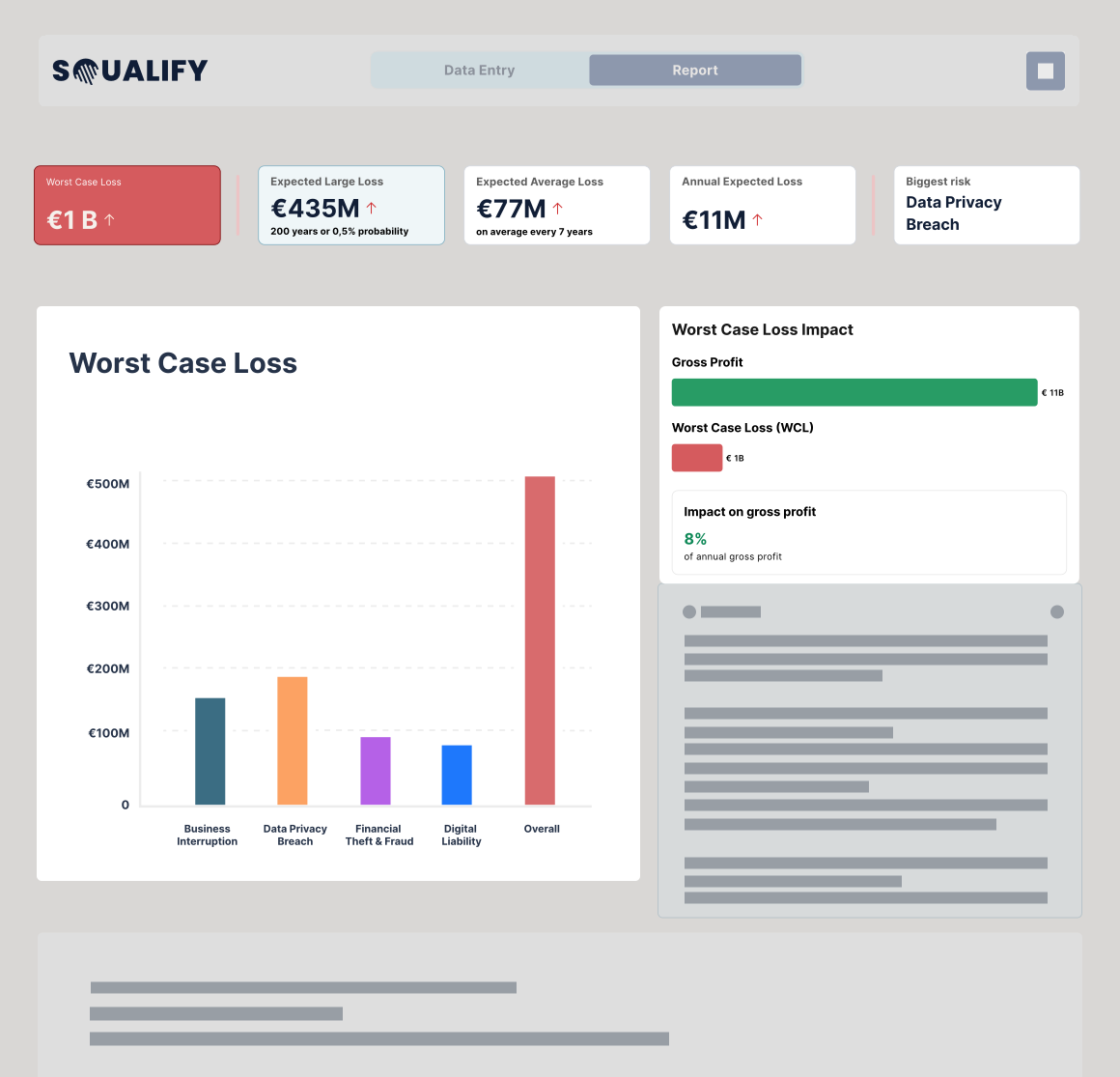
What would your organizations worst cyber-day look like?
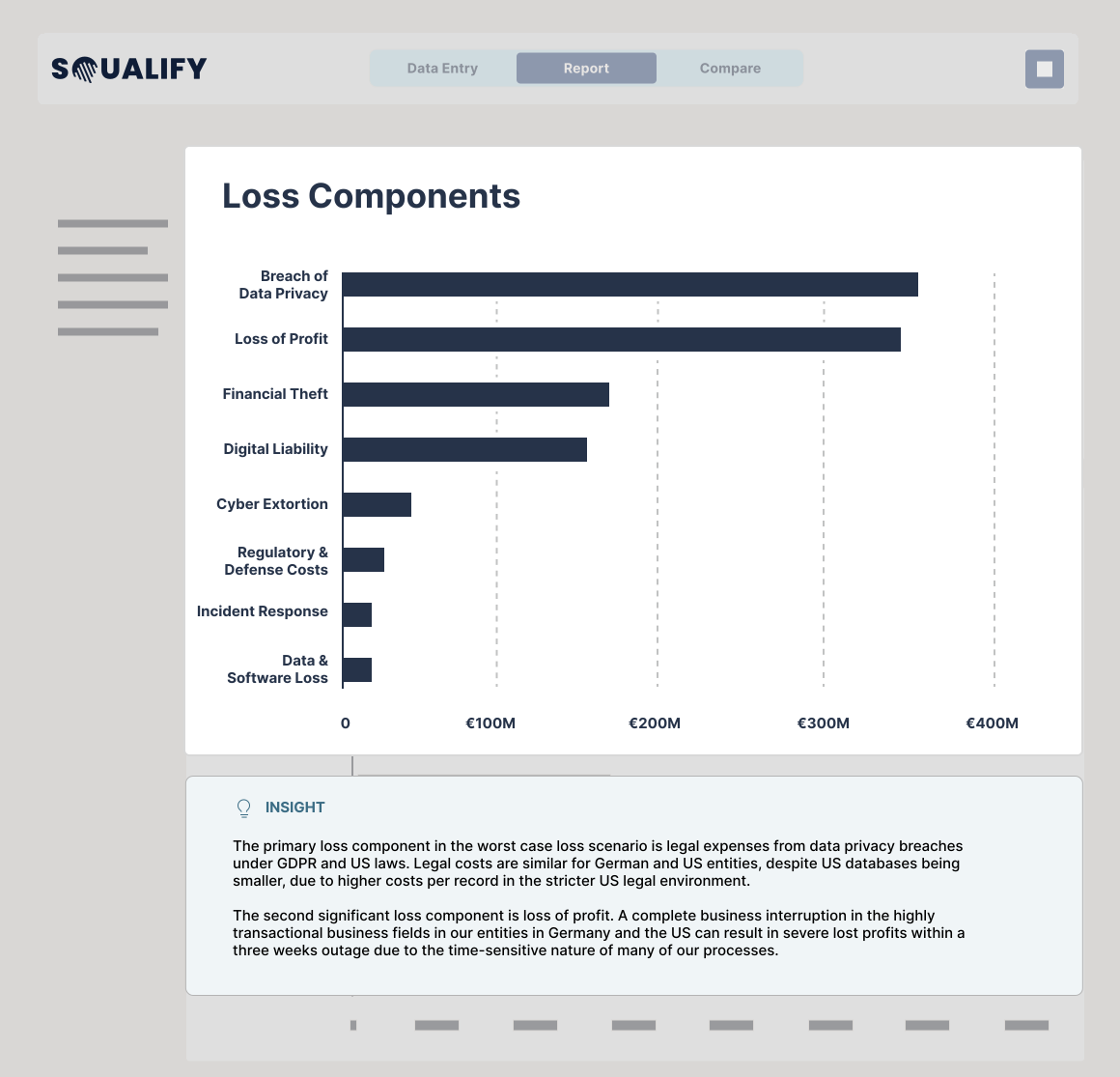
What types of financial losses are driving your cyber risk?
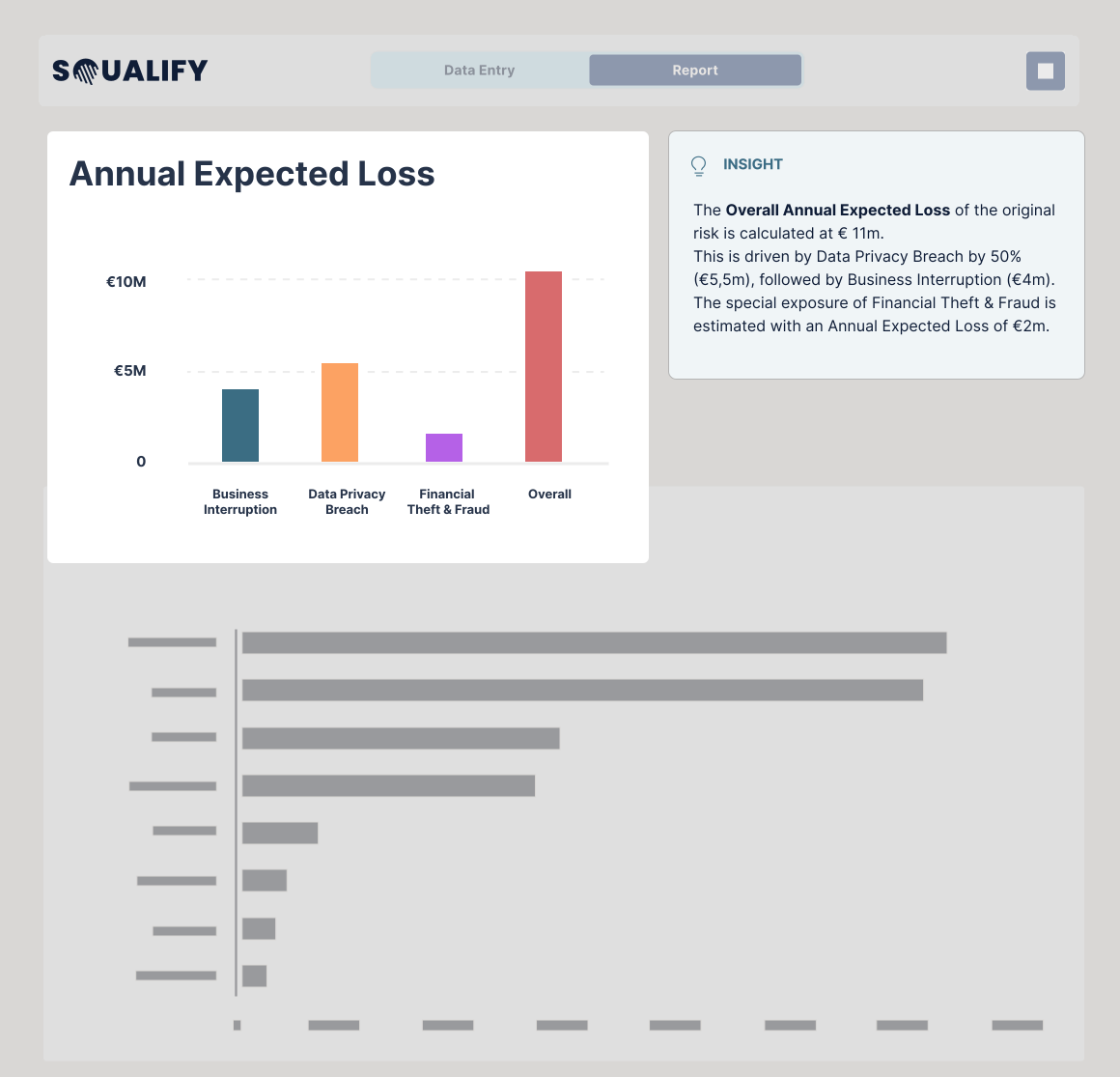
What is the average cost and recurrence period of cyber incidents for your organization?
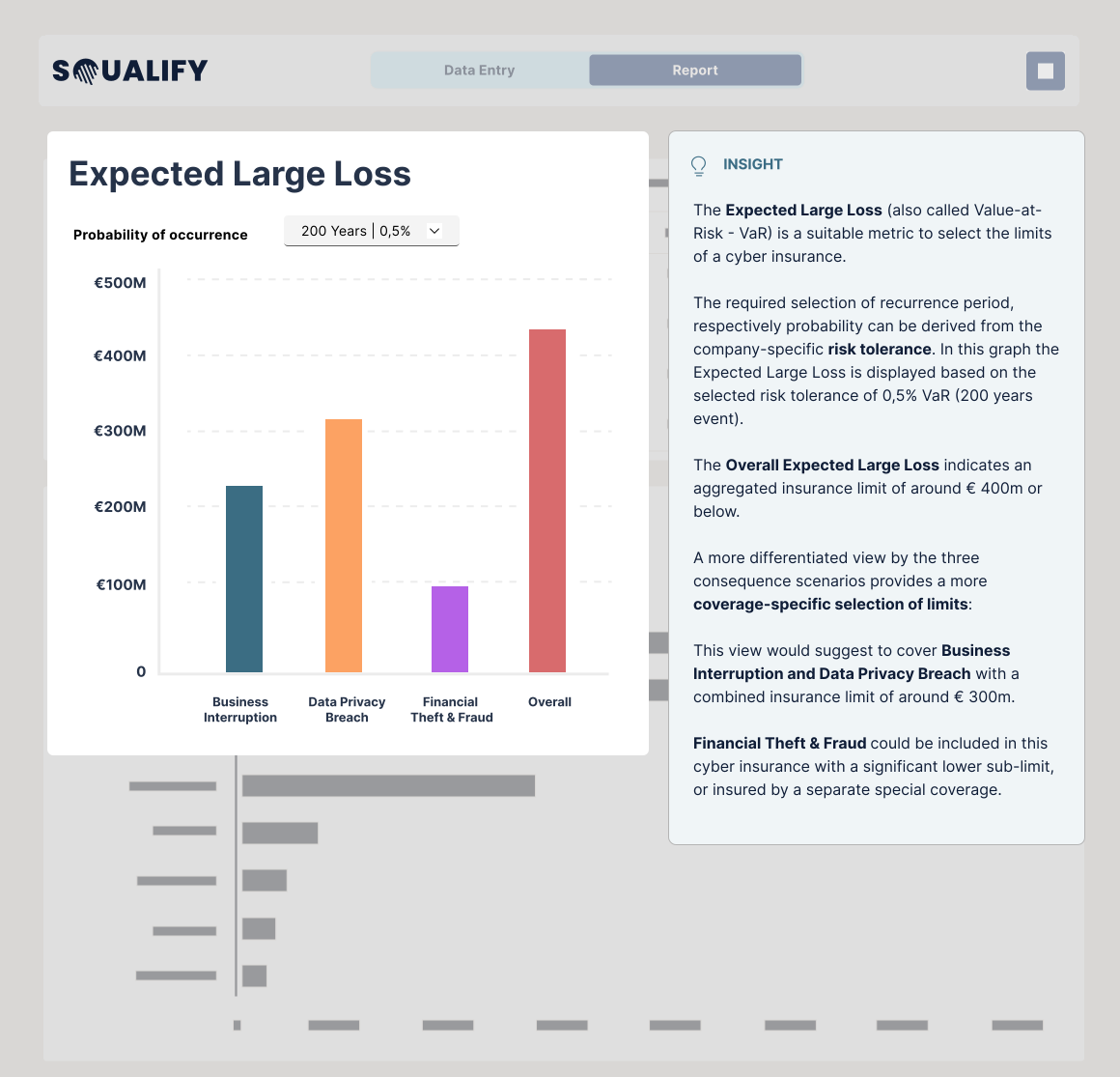
What significant losses are expected to occur at different recurrence periods?
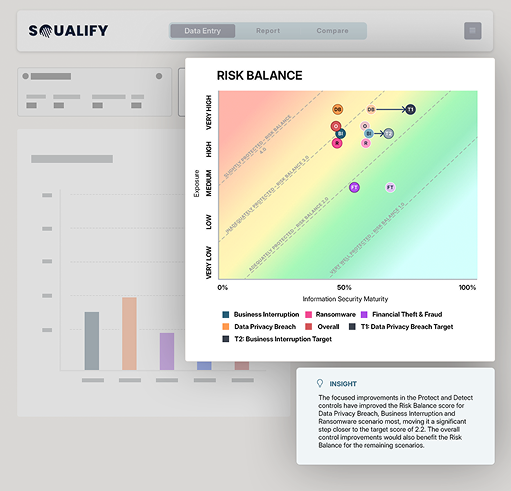
How adequate is your level of defense relative to the exposure of your organization?