Quantify and steer cyber risk across all entities with one logic.

Managing cyber risk across many subsidiaries is complex. Maturity levels differ. Exposures vary. Regulations conflict. Business models do not match. Most reporting formats hide this complexity or overload teams with detail. Group reports are too high-level. Local reports remain isolated. CISOs cannot link risk, investment, and accountability across the group.
Subsidiary Steering gives you one consistent view of cyber risk across all entities. You keep the local context while comparing each entity with the same financial metrics.
• Unified logic across subsidiaries
• Comparable financial risk figures
• Tailored improvement targets
• Clear priorities for high-risk entities
• Transparent link between exposure and investment
• Group-wide progress tracking

Each view helps you steer risk, set priorities, and plan improvements across the group.
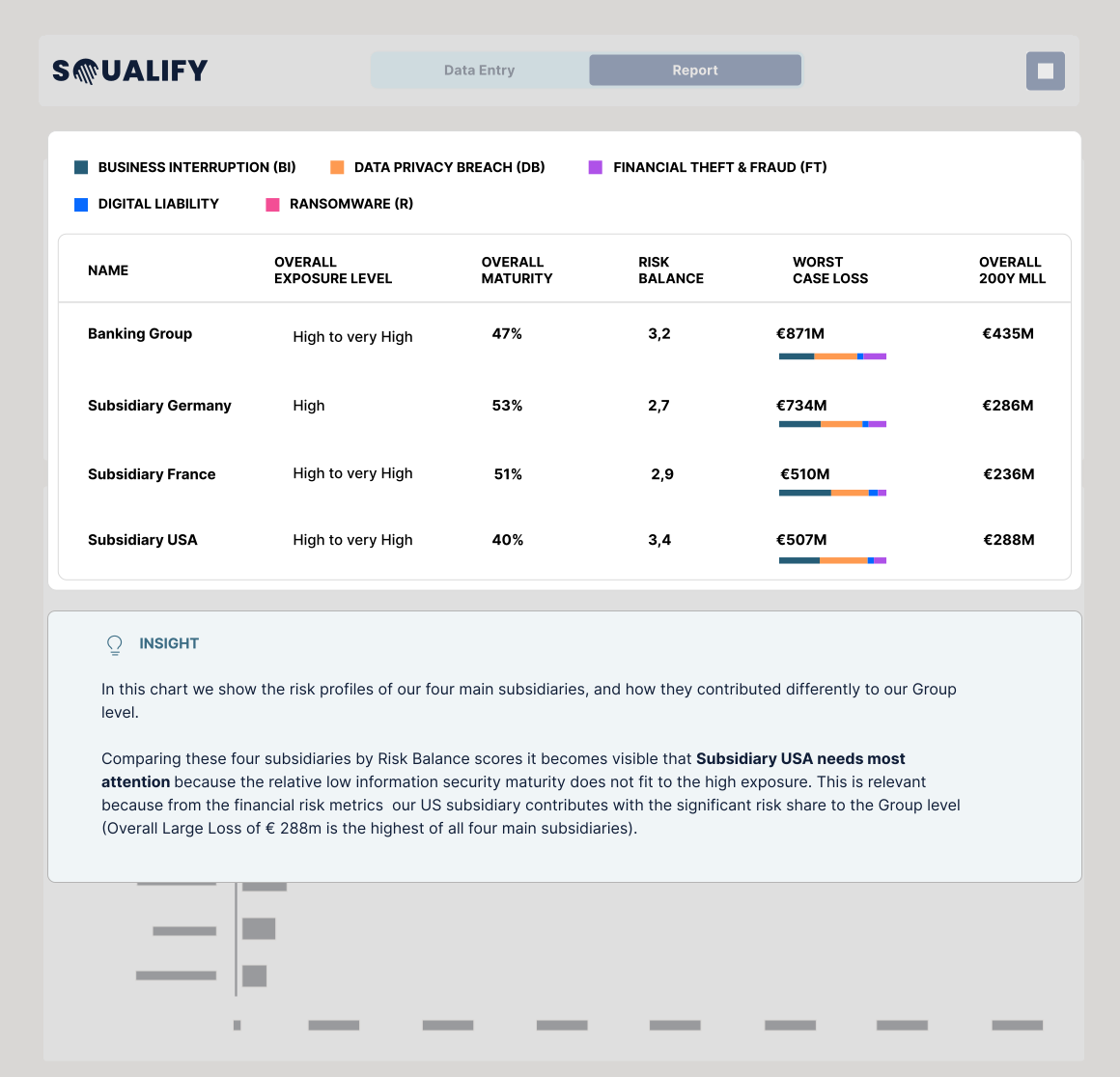
See exposure, maturity, loss potential, and Risk Balance for each entity. Set targets based on real figures.
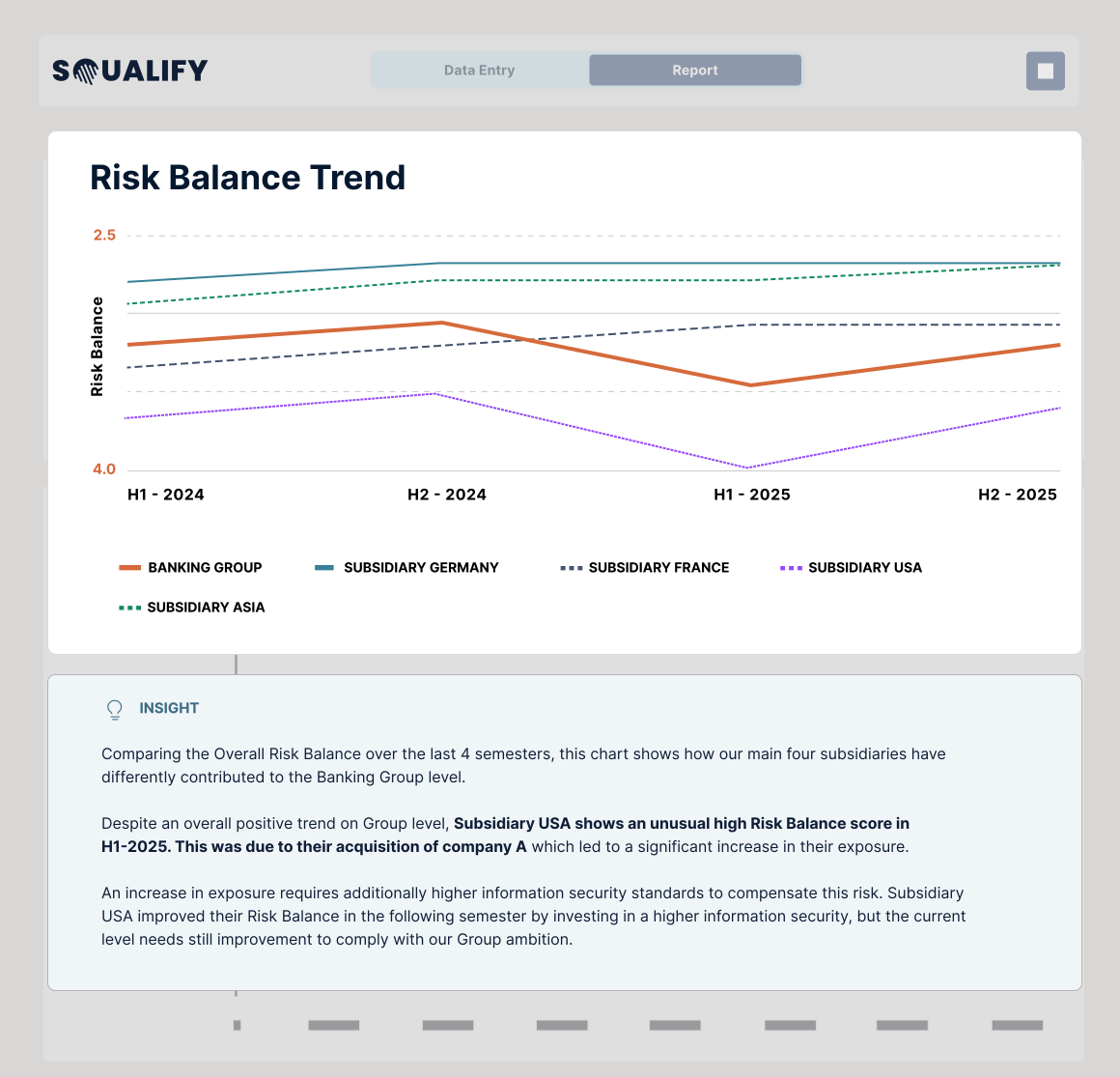
See how risk moves for each entity and whether current investments reflect their exposure.
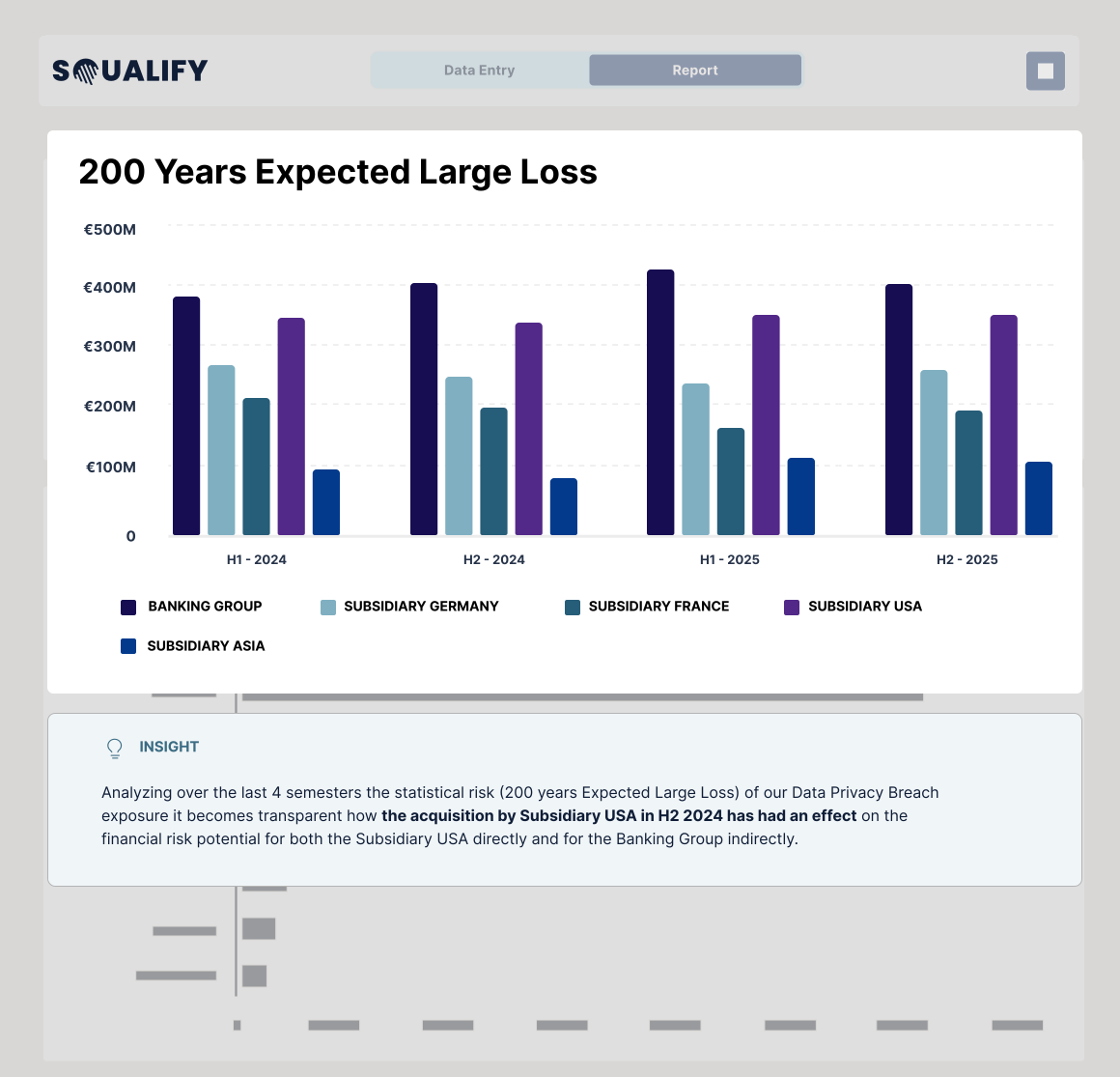
See how each entity’s cyber exposure has changed over time in clear financial metrics. Compare trends side by side, identify which entities drive the largest expected loss or show the fastest deterioration, and get a simple priority view of where to focus your next risk reduction steps.

Based on the analyzed differences between each business unit, you define individual one-year and multi-year targets that align with the group strategy.
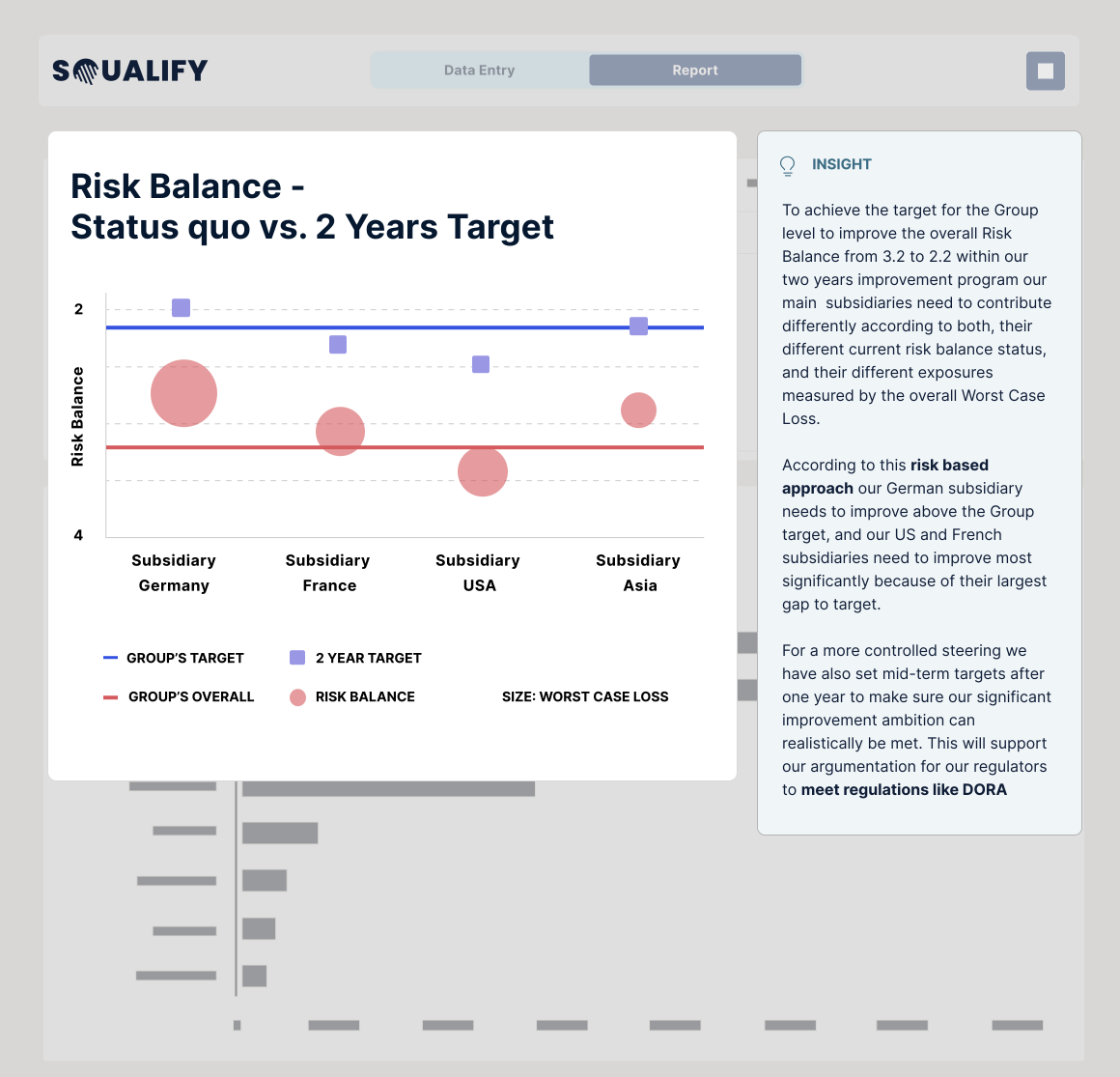
See how each entity must contribute to group targets. Allocate resources where they are needed most.
Subsidiary Steering gives you full oversight of cyber risk across all entities. You see who carries the most exposure, where controls must improve, and where investment has the strongest effect. You can guide each entity with clear, comparable figures and link group strategy to measurable actions.